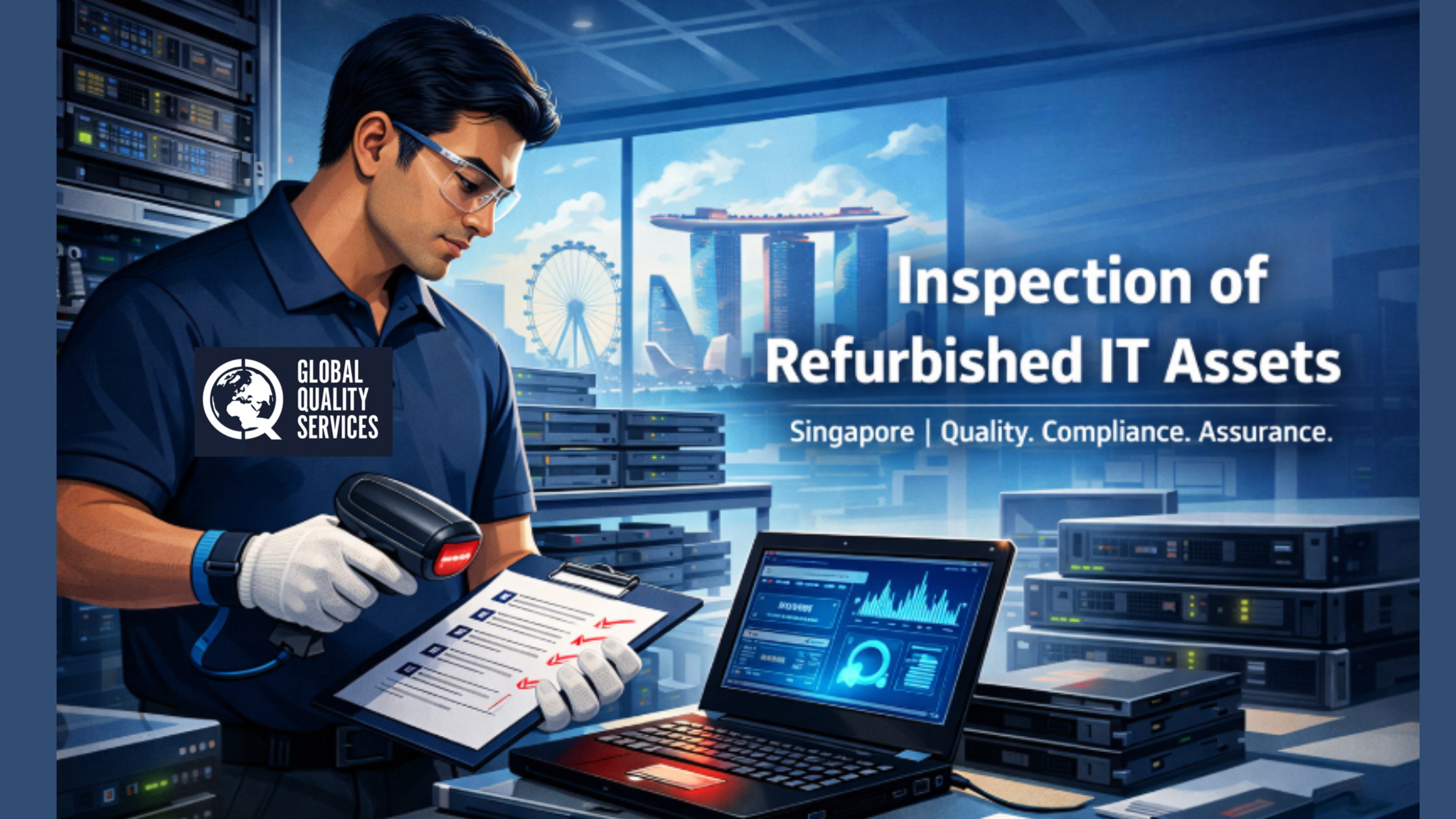
Refurbished IT asset inspection is a structured process of evaluating second-hand computers, servers, networking equipment, and peripherals before they are redeployed or resold. In Singapore, this goes beyond a simple physical check — it includes verifying that data has been securely erased, that hardware is fully functional, that regulatory labels are intact, and that the equipment’s chain of custody is documented. It is the critical step that separates a compliant, trustworthy refurbished asset from one that poses hidden legal, security, or operational risks to the buyer.
Benefits of Proper IT Asset Inspection
- Data Security Assurance — Verified sanitization protects against residual data exposure and direct liability under Singapore’s Personal Data Protection Act 2012 before any device changes hands.
- Cost Savings — Certified Grade A or B refurbished hardware delivers enterprise-level performance at a fraction of new equipment costs, making it a smart choice for growing businesses and budget-conscious procurement teams.
- Environmental Compliance — Extending asset lifecycles aligns directly with Singapore’s Green Plan 2030 goals and the NEA’s e-waste management framework under the Resource Sustainability Act 2019, reducing your organization’s environmental footprint.
- Regulatory Confidence — Full IMDA and PDPC-aligned documentation gives buyers audit-ready proof of compliant procurement, protecting them in the event of a regulatory review.
How the Inspection Process Works
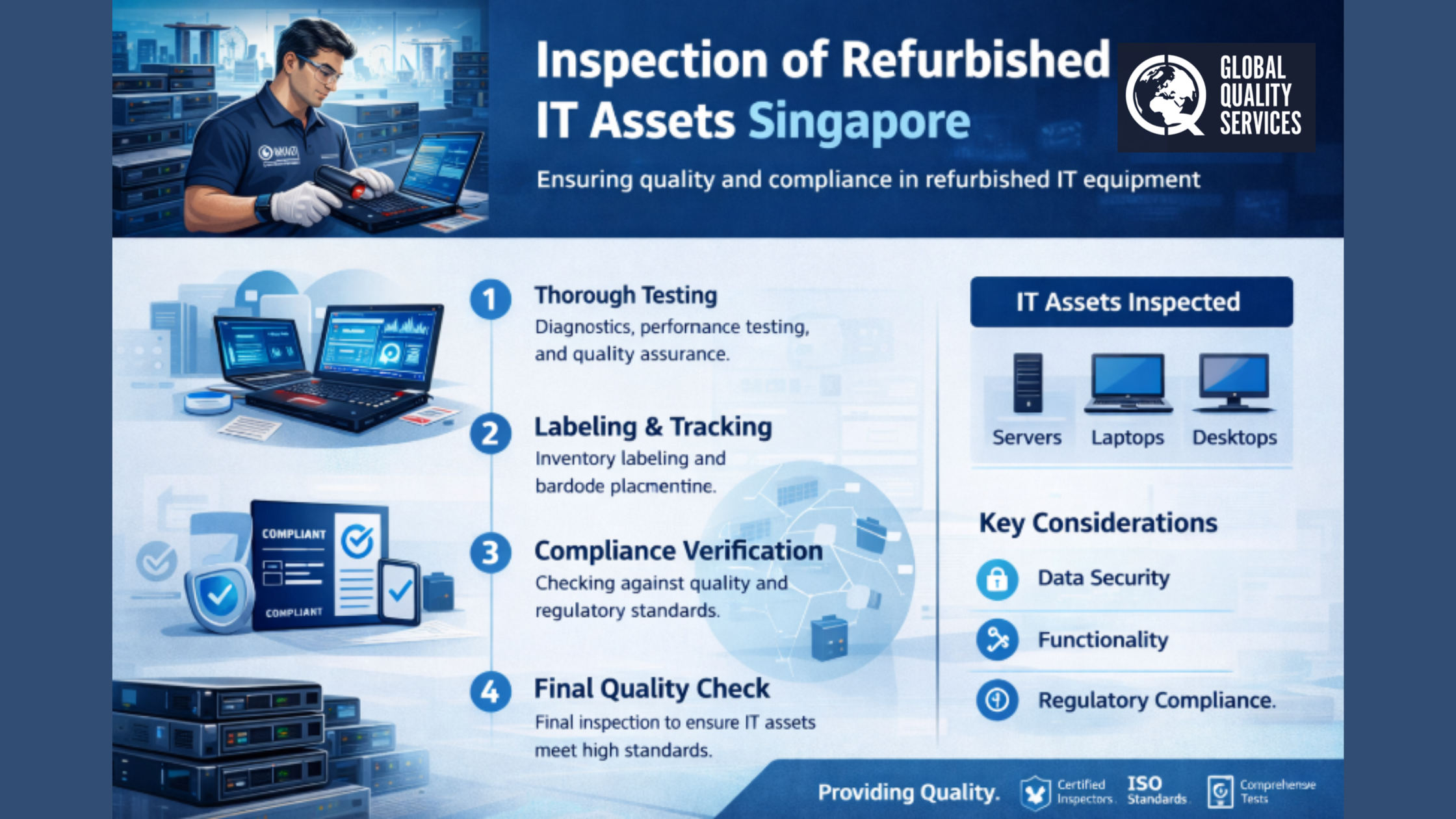
Step 1 — Documentation & Chain of Custody Review
Every device is cross-checked against intake records, seller credentials, and NEA-licensed collector certificates before any physical work begins. Gaps in documentation are flagged and resolved before the process moves forward.
Step 2 — Data Sanitization Verification
All storage media is confirmed to be wiped to NIST SP 800-88 or equivalent standards. An erasure certificate identifying the device serial number, the applicable standard, and the technician responsible is verified or issued for each device.
Step 3 — Physical & Functional Testing
Hardware is stress-tested across CPU, RAM, storage S.M.A.R.T. data, display quality, ports, battery health, and wireless connectivity. Each device is then graded A through D based on its cosmetic condition and functional performance.
Step 4 — IMDA Label & Registration Check
Telecommunication equipment is verified against the IMDA equipment register, and compliance labels — including the CSA Cybersecurity Label, where applicable — are confirmed to be present and unaltered before resale clearance is granted.
Step 5 — Certification & Handover Report
A complete inspection report, grading certificate, and sanitization documentation package is issued to the buyer, ready for procurement audits or PDPC review at any time.
Why This Inspection Matters in Singapore
Singapore’s regulatory environment poses a genuine legal risk for informal or undocumented refurbished IT transactions. The Personal Data Protection Act 2012 holds organizations responsible for personal data on any device they handle, up to and including certified destruction. The Resource Sustainability Act 2019 requires that electronic waste move through licensed channels. The Telecommunications Act makes selling unregistered telecom equipment a criminal offense. A proper inspection process keeps businesses on the right side of all three frameworks simultaneously, while also protecting against the operational risk of deploying hardware with hidden faults that only surface after deployment.
Why Choose Global Quality Services
Global Quality Services brings deep, Singapore-specific expertise to every refurbished IT asset inspection engagement. Our team understands the intersection of PDPA data protection obligations, NEA e-waste compliance, and IMDA equipment registration requirements — not as separate checklists, but as an integrated framework your procurement needs to satisfy in one go. We work with SMEs, MNCs, and government-linked organizations across Singapore, delivering inspection reports built for audit readiness from day one. When you work with us, you get documented, certifiable compliance that protects your organization legally, operationally, and reputationally.
Frequently Asked Questions
Q: Is data sanitization mandatory before reselling IT equipment in Singapore?
Yes. Under Section 24 of the PDPA, any organization handling a device that may contain personal data must ensure that the data is securely and irreversibly destroyed before the device changes hands. Simply deleting files or reformatting a drive does not meet this standard — certified erasure to NIST SP 800-88 or an equivalent standard, with a documented certificate, is required. The PDPC can investigate and penalize organizations that fail to comply.
Q: Do I need a license to sell refurbished routers or modems in Singapore?
Yes. Under the Telecommunications Act (Cap. 323), any entity selling or hiring out telecommunication equipment — including routers, modems, access points, and VoIP devices — must hold a valid Telecommunications Dealer’s License issued by IMDA. The equipment must also be registered with IMDA before it can legally be offered for sale in Singapore.
Q: Where should non-recoverable IT components go after a failed inspection?
They must be directed to NEA-licensed e-waste collectors or recyclers — they cannot be disposed of as general waste under Singapore’s Resource Sustainability Act. NEA maintains a list of licensed collection points across Singapore. Any storage media within these components must still undergo certified data destruction before being handed to the recycler.
Q: What grading system is used for refurbished IT assets in Singapore?
The industry uses a Grade A to D classification aligned with international ITAD standards. Grade A is near-mint with full functionality; Grade B has light cosmetic wear but is fully functional; Grade C is functional with visible wear and possible minor issues; Grade D is non-functional and directed to licensed e-waste recycling. Every grade is backed by a written inspection report and functional test log.
Q: Can refurbished IT equipment imported from overseas be sold directly in Singapore?
Not without completing Singapore’s compliance steps first. Telecom equipment must be registered with IMDA, consumer electronics must meet safety requirements under the Consumer Goods Safety Requirements Regulations, and all storage media must be sanitized under the PDPA. Sellers must also hold the appropriate IMDA Dealer’s Licence before offering any registered equipment for sale.