
Singapore remains one of Asia’s most digitally advanced economies, and with that position comes increased exposure to cyber threats. As businesses rely more heavily on cloud systems, interconnected platforms, and third-party infrastructure, cybersecurity has shifted from being a technical concern to a board-level regulatory obligation.
In 2026, Singapore’s cybersecurity regulatory environment will enter a more mature phase. Updates to the Cybersecurity Act and related enforcement frameworks expand the scope of regulated systems, strengthen incident reporting obligations, and place greater responsibility on organisations that operate or rely on critical digital infrastructure. These changes affect not only traditional critical infrastructure providers but also companies that use outsourced, cloud-based, or virtualised systems.
This guide explains what companies operating in Singapore should expect from cybersecurity regulations in 2026, how enforcement is evolving, and what practical steps businesses should take to remain compliant.
Singapore Cybersecurity Policy
Singapore’s cybersecurity framework has always focused on protecting systems whose failure could cause serious disruption to society, the economy, or national security. Over time, regulators have recognised that critical services are no longer delivered through isolated physical systems. They now rely on cloud platforms, virtual machines, managed service providers, and cross-border digital infrastructure.
The regulatory shift in 2026 reflects three realities:
-
Essential services increasingly depend on third-party and virtual systems
-
Cyber incidents often originate outside traditional perimeter-controlled environments
-
Speed of detection and response is as important as prevention
As a result, cybersecurity regulation now focuses on system dependency, service continuity, and real-time incident accountability, rather than ownership of physical infrastructure alone.
Expanded Scope: More Systems Are Now Regulated
One of the most important changes companies should understand is the expanded definition of regulated systems.
In 2026, cybersecurity obligations are no longer limited to physical servers or on-premise environments. Virtual machines, cloud workloads, containerised environments, and remote systems may fall under regulatory oversight if they support essential services or critical business operations.
This means companies may be regulated even if:
-
Their systems are hosted by third-party cloud providers
-
Infrastructure is located outside Singapore
-
The organisation does not own the underlying hardware
If a system is essential to service delivery in Singapore, it can attract cybersecurity obligations regardless of ownership or hosting model.
For many businesses, this represents a major shift. Cloud adoption no longer reduces regulatory exposure; it increases the need for structured cybersecurity governance.
Third-Party and Outsourced Systems Under Greater Scrutiny
Another key development in 2026 is the formal recognition that outsourcing does not transfer cybersecurity responsibility.
Companies that rely on third-party systems to deliver essential or critical services are expected to:
-
Understand the cybersecurity posture of those third parties
-
Ensure minimum security controls are in place
-
Maintain visibility into risks and incidents
-
Be able to report and respond to cyber events involving vendors
This includes cloud service providers, managed IT vendors, data centre operators, and platform partners.
From a regulatory perspective, if your business depends on a system to operate, you are accountable for its cybersecurity resilience, even if it is not owned or directly controlled by you.
As a result, vendor risk management and contractual cybersecurity obligations are becoming central to compliance.
Faster and Broader Incident Reporting Requirements
Incident reporting expectations in 2026 are significantly stricter than in previous years.
Companies are expected to report cybersecurity incidents not only when systems are breached, but also when there is:
-
A disruption to essential services
-
Suspicion of targeted or advanced attacks
-
Indicators of compromise that could escalate into service impact
Reporting timelines are short. Once an organisation becomes aware of a qualifying incident, notification must occur quickly, often within hours.
This requires more than just having an incident response plan on paper. Organisations must be capable of:
-
Detecting threats early
-
Assessing impact rapidly
-
Escalating decisions without internal delays
Slow detection or internal confusion is increasingly viewed as a governance failure rather than just a technical gap.
Temporary High-Risk Systems and Event-Driven Regulation
A newer concept companies should be aware of is the regulation of temporary high-risk systems.
Some digital systems may not be critical all the time but become sensitive during specific periods — such as public events, elections, major national initiatives, or large-scale public services.
In such cases, regulators may impose cybersecurity obligations for a defined period. During that time, companies operating or supporting those systems must meet enhanced security and reporting requirements similar to those applied to critical infrastructure.
This introduces a dynamic compliance environment where obligations can change based on context, timing, and national risk levels.
Enforcement Expectations Are Increasing
Singapore’s cybersecurity regulators are moving toward a more proactive enforcement posture.
Rather than reacting only after major incidents, regulators increasingly expect companies to demonstrate:
-
Ongoing risk assessments
-
Documented cybersecurity governance
-
Evidence of testing and preparedness
-
Clear ownership of cybersecurity responsibilities
Failure to meet obligations can result in enforcement actions ranging from corrective directions to operational restrictions and financial penalties.
Importantly, regulators are less tolerant of explanations based on outsourcing, lack of awareness, or internal coordination issues.
Cybersecurity is now treated as a business responsibility, not an IT issue.
Relationship Between Cybersecurity and Data Protection
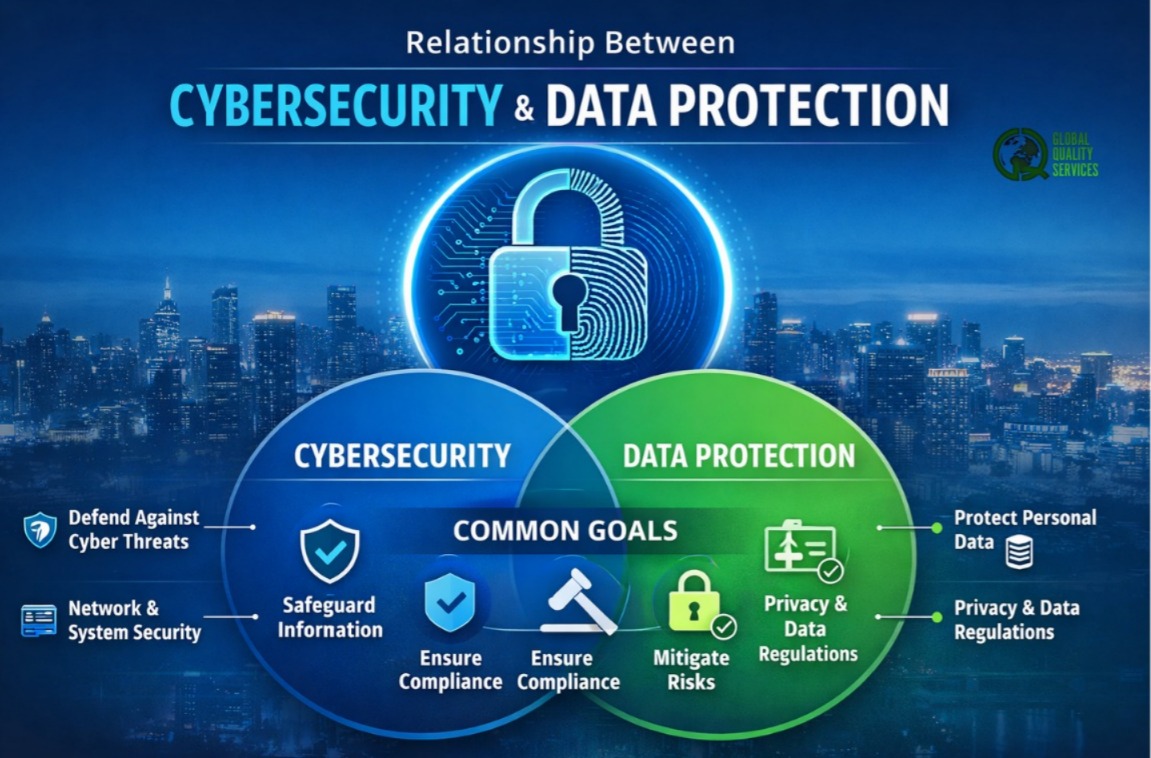
While cybersecurity regulations and data protection laws serve different purposes, they are increasingly interconnected.
Strong cybersecurity controls support compliance with data protection obligations by preventing breaches, unauthorised access, and service disruption. Conversely, weak cybersecurity can expose organisations to multiple regulatory risks simultaneously.
In 2026, companies are expected to align cybersecurity programs with broader data governance, risk management, and operational resilience strategies.
Fragmented compliance approaches are becoming harder to justify.
What Companies Should Do to Prepare
Conduct System Mapping and Dependency Analysis
Organisations should identify all systems that support critical operations, including cloud services and third-party platforms. Understanding dependencies is the foundation of compliance.
Strengthen Vendor Cybersecurity Governance
Contracts should clearly define cybersecurity responsibilities, audit rights, incident notification timelines, and minimum security standards for vendors.
Upgrade Incident Response Capabilities
Incident response plans must be practical, tested, and aligned with regulatory timelines. Decision-making authority should be clear before an incident occurs.
Improve Monitoring and Threat Detection
Early detection is essential to meet reporting obligations. Companies should assess whether current monitoring tools and processes provide adequate visibility.
Document Governance and Controls
Policies, risk assessments, incident logs, and control documentation should be maintained consistently. Regulators expect evidence, not verbal assurances.
Why These Changes Matter for Business Leaders
Cybersecurity regulation in Singapore is no longer only relevant to IT teams or infrastructure operators. It directly affects:
-
Business continuity
-
Contractual relationships
-
Board accountability
-
Reputational risk
In 2026, cybersecurity maturity is becoming a marker of organisational credibility. Companies that invest early in compliance and resilience are better positioned to operate confidently in Singapore’s highly regulated digital environment.
Final Thoughts
Singapore’s cybersecurity regulations in 2026 reflect a clear message: critical digital services must be secure, resilient, and accountable — regardless of where or how they are delivered.
For companies operating in Singapore, compliance is no longer about ticking boxes. It requires continuous awareness of system dependencies, proactive risk management, and the ability to respond decisively when incidents occur.
Businesses that treat cybersecurity as a strategic priority — integrated into governance, procurement, and operations — will not only meet regulatory expectations but also strengthen trust with customers, partners, and regulators alike.